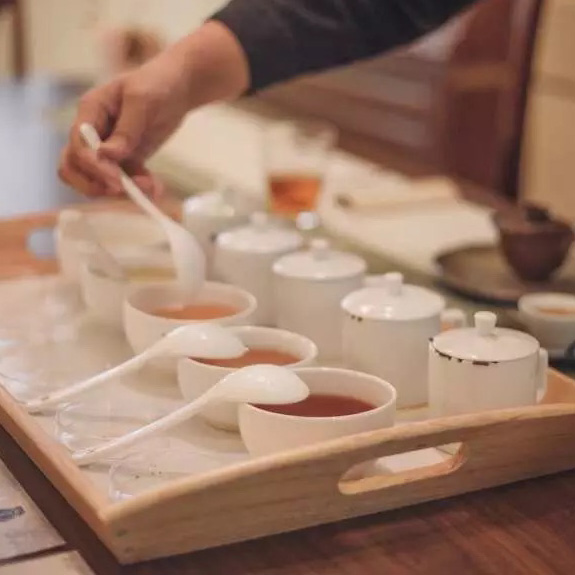
Core 04: Sensory Evaluation Practice

By Taiwan Te Categories: core
Wishlist Share
Share Course
Page Link
Share On Social Media

About Course

This intensive 4-hour session introduces participants to the foundations of sensory evaluation, covering human perception, sensory test methods, descriptive language, and tea-focused practical exercises. Students will leave with the ability to conduct basic sensory tests and describe flavors with clarity and structure.

What Will You Learn?

  • Understand basic sensory systems and perception.
  • Conduct simple discrimination and descriptive tests.
  • Apply controlled brewing and evaluation methods.
  • Use a sensory lexicon to describe aroma, flavor, and mouthfeel.
  • Analyze basic sensory results and communicate insights.

Course Content

Introduction
What is sensory evaluation? Sensory science vs. intuitive tasting (tea, wine, design). Workshop objectives + safety + etiquette.

  • Activity: Warm-up aroma exercise: 5 aroma vials (identify + describe).

Human Senses & Perception
Lecture: Five tastes + aroma vs. flavor. Trigeminal sensations (spicy, minty, astringent). Perceptual bias, expectation, color influence. Lab Activity: Taste solutions: sweet, sour, bitter, salty. Cross-modal demo: color-modified beverages to show expectation bias. Mini Exercise: Write a quick “first impressions” note for an unknown beverage.

Sensory Test Methods
Lecture: Discrimination tests: Triangle, Duo–Trio, Paired Comparison. Descriptive analysis: attribute generation, intensity scaling. Blind tasting, coding, randomization. How sample preparation and teaware shape results. Lab Activity: Triangle Test: Two oolong teas (A vs. A vs. B). Descriptive Exercise: Build a 6–10 term lexicon for one tea type. Output: Participants complete a simple results sheet.

Tea-Focused Sensory Evaluation Practice
Lecture: Gong-fu tea brewing as a controlled evaluation system. Tea shape (strip, ball, sancha) and how it affects extraction. Teapot materials: porcelain vs. clay for sensory consistency. Lab Activity: Guided evaluation of three tea shapes: Strip-shape oolong Ball-shape high mountain oolong Sancha (loose-style green or oolong) Participants fill in sensory sheets: aroma, flavor, mouthfeel, aftertaste. Mini Exercise: Compare how porcelain vs. clay changes aroma and body.

Data Interpretation & Sensory Communication
Lecture: Interpreting sensory results (qualitative + simple quantitative). How to identify patterns: intensity, preference, distinctiveness. Visualizing sensory results (basic spider plot). Lab Activity: Group analysis of Triangle Test data. Build a simple spider plot using 4–6 attributes. Share tasting notes; align vocabulary and consistency.

Wrap-Up & Reflection
Discussion: What changed in your perception? How to continue practicing sensory evaluation at home. Q&A. Take-home Materials (optional): Sensory lexicon starter sheet Tea evaluation card Sample triangle test sheet Guided brewing ratio chart

Student Ratings & Reviews

No Review Yet

No Review Yet
0
    0
    Your Cart
    Your cart is emptyReturn to Shop